
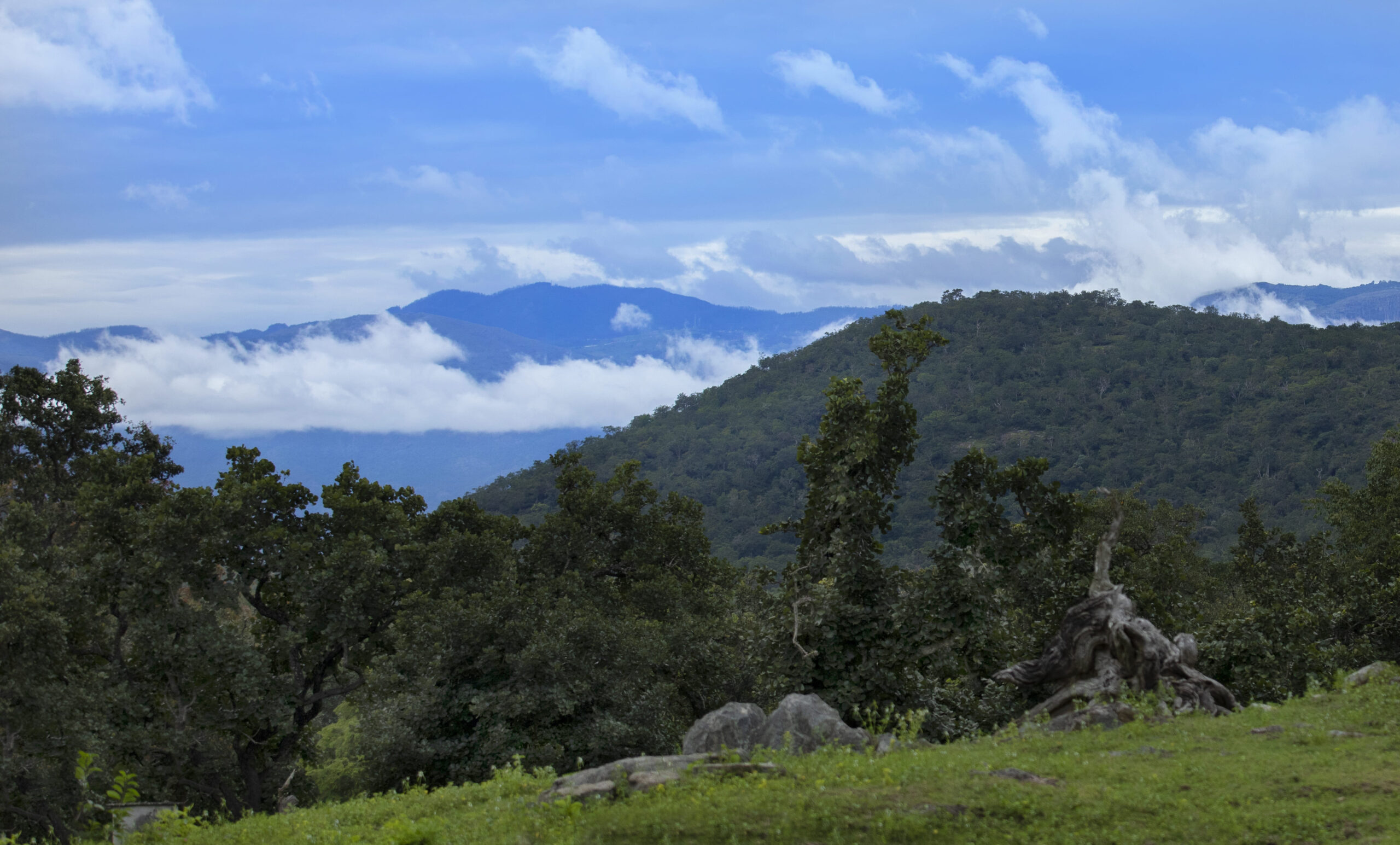
This is a personal account of ten years in Bandipur Tiger Reserve: a first safari and first tiger, Prince, in 2016; a first leopard, the one I call the Reception Female; and a decade of lessons in patience, observation and behaviour that shaped both my photography and my life. It closes with why I now bring photographers and nature lovers to this forest through Katrivia Expeditions.
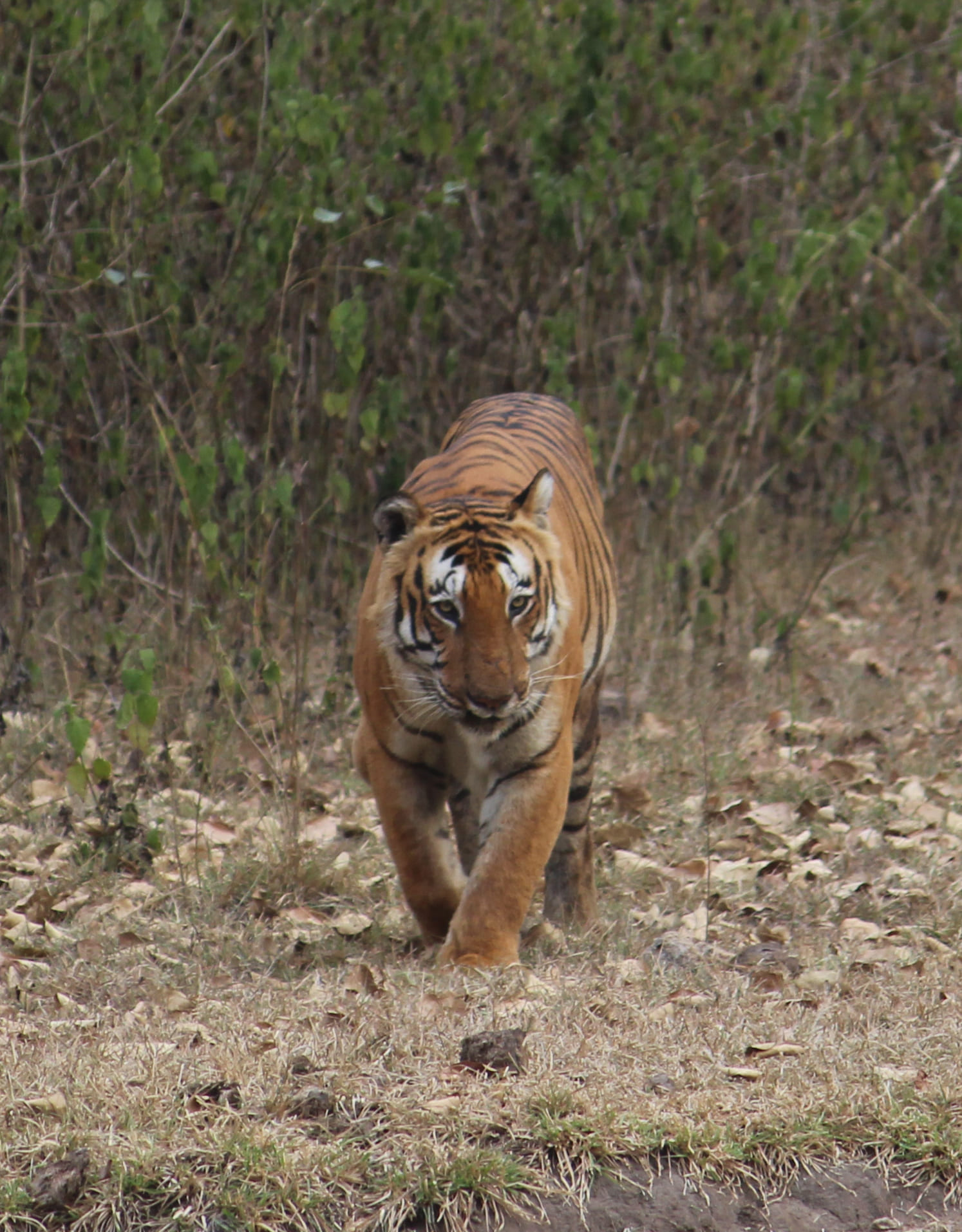
I still remember my very first safari in Bandipur Tiger Reserve, in 2016. Like every beginner photographer, I entered the forest with excitement, curiosity and absolutely no idea what to expect. What happened next changed my life. On that very first safari, I photographed my first tiger. It was none other than the legendary Prince.
At that moment I did not fully understand the significance of the sighting. I was simply overwhelmed by the sight of a wild tiger standing in its natural habitat. Today, when I look back at that image, I don’t see a photograph. I see the beginning of a journey, one that would eventually lead me to spend countless days in forests, conduct photography tours, mentor hundreds of photographers and build a life around wildlife. Everything started with that tiger. Everything started in Bandipur.
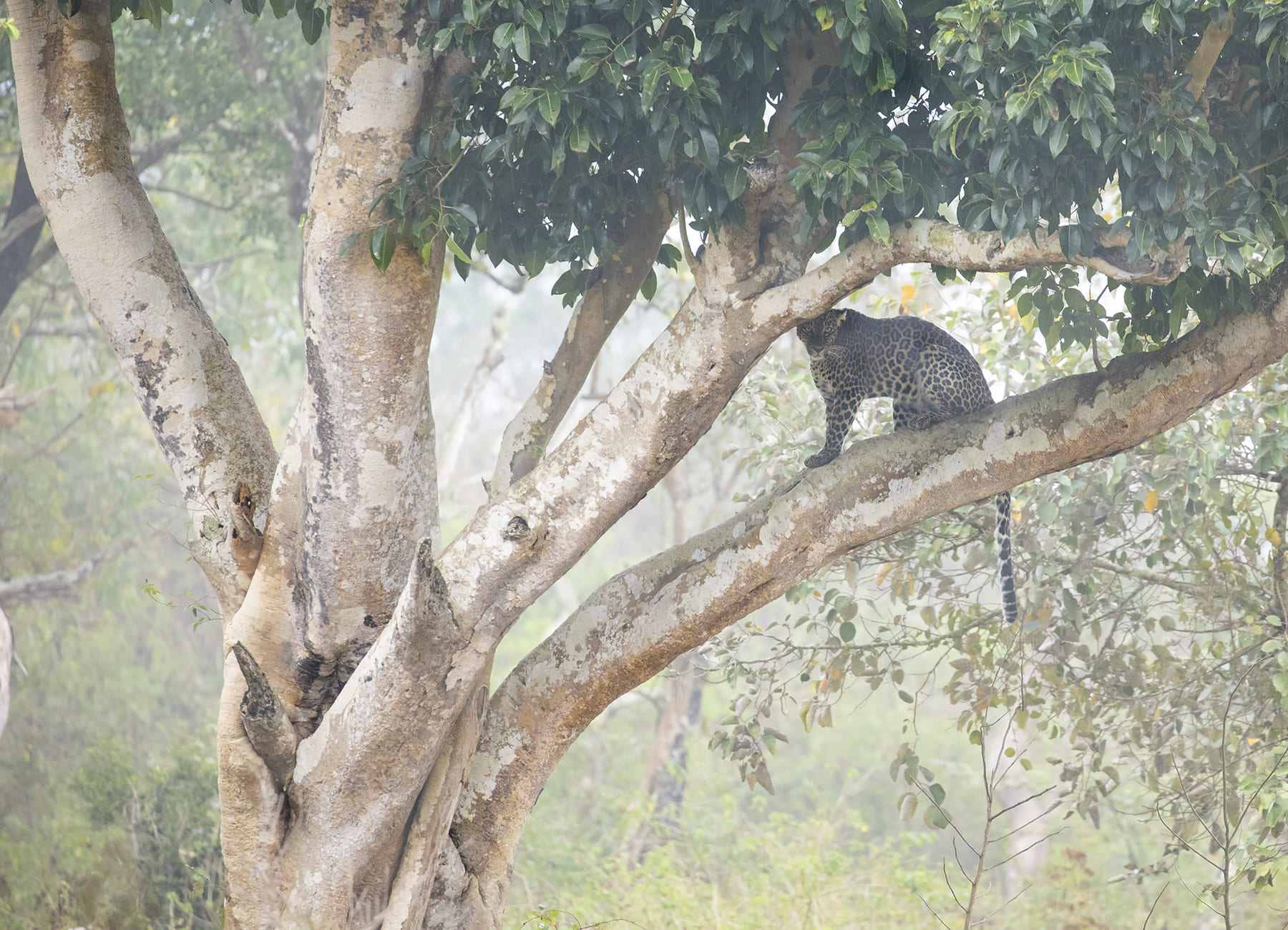
If the tiger introduced me to wildlife photography, the leopard made me fall in love with it. One misty morning in 2016 I had my first-ever leopard sighting. The forest was covered in fog. Visibility was low. The atmosphere felt magical. And there she was, perched on a tree: the leopard I still know today as the Reception Female.
At that time she was still young and establishing herself. Over the years I watched her evolve into one of the most recognisable leopards in our sightings around Bandipur. I often say my love for leopards began with her. Since then I have photographed countless leopards across India, but there was something special about witnessing her journey. We both started our journeys around the same time. She learned to survive and hold her own in one of India’s finest forests. I learned to understand wildlife through my lens.
Watching her over the years taught me that survival is not always about strength. Sometimes it is about adaptability. Sometimes it is about patience. And often it is about making the right decision at the right moment.
For nearly ten years, Bandipur has been my classroom. People often ask me where I learned wildlife photography. The answer is simple: Bandipur taught me. The forest became my teacher. Every safari became a lesson. Every sighting became an opportunity to understand animal behaviour.
Wildlife photography is often misunderstood. Many believe it is about expensive cameras and lucky sightings. But the truth is very different. The best wildlife photographers are often the best observers. The forest rewards those who pay attention. Over the years, Bandipur taught me how to read alarm calls, how to anticipate animal movement, how to understand predator-prey interactions, how to interpret body language and how to predict behaviour before it happens. The lessons I learned here transformed not just my photography but also the way I see life.
There are certain lessons that no classroom can teach. The jungle teaches them. I have watched a tiger wait patiently for hours before making a move. I have seen leopards adapt to impossible situations. I have witnessed elephants display extraordinary intelligence and emotion. I have watched dholes execute teamwork better than many human organisations.
The forest constantly reminds us that nature operates without ego. There are no shortcuts. There are no guarantees. Only adaptation. Only patience. Only survival. These lessons slowly found their way into my life. Bandipur taught me that success is rarely instant. It taught me that persistence often matters more than talent. It taught me that patience eventually creates opportunities. These lessons have stayed with me far beyond photography.
Having spent years exploring wildlife reserves across India, I can confidently say that Bandipur remains one of the finest wildlife destinations in the country. What makes it special is not just the wildlife. It is the complete experience.
Bandipur offers an incredible diversity of species, including:
The habitat itself is breathtaking: open meadows, dense forests, bamboo patches, rocky landscapes, water bodies, and beyond all of this, the magnificent Nilgiri hills standing proudly in the background. One of the reserve’s best vantage points is Gopalaswamy Betta, the highest peak inside the reserve and the site of my very first visit here in 2014. Every season transforms the forest into something new.
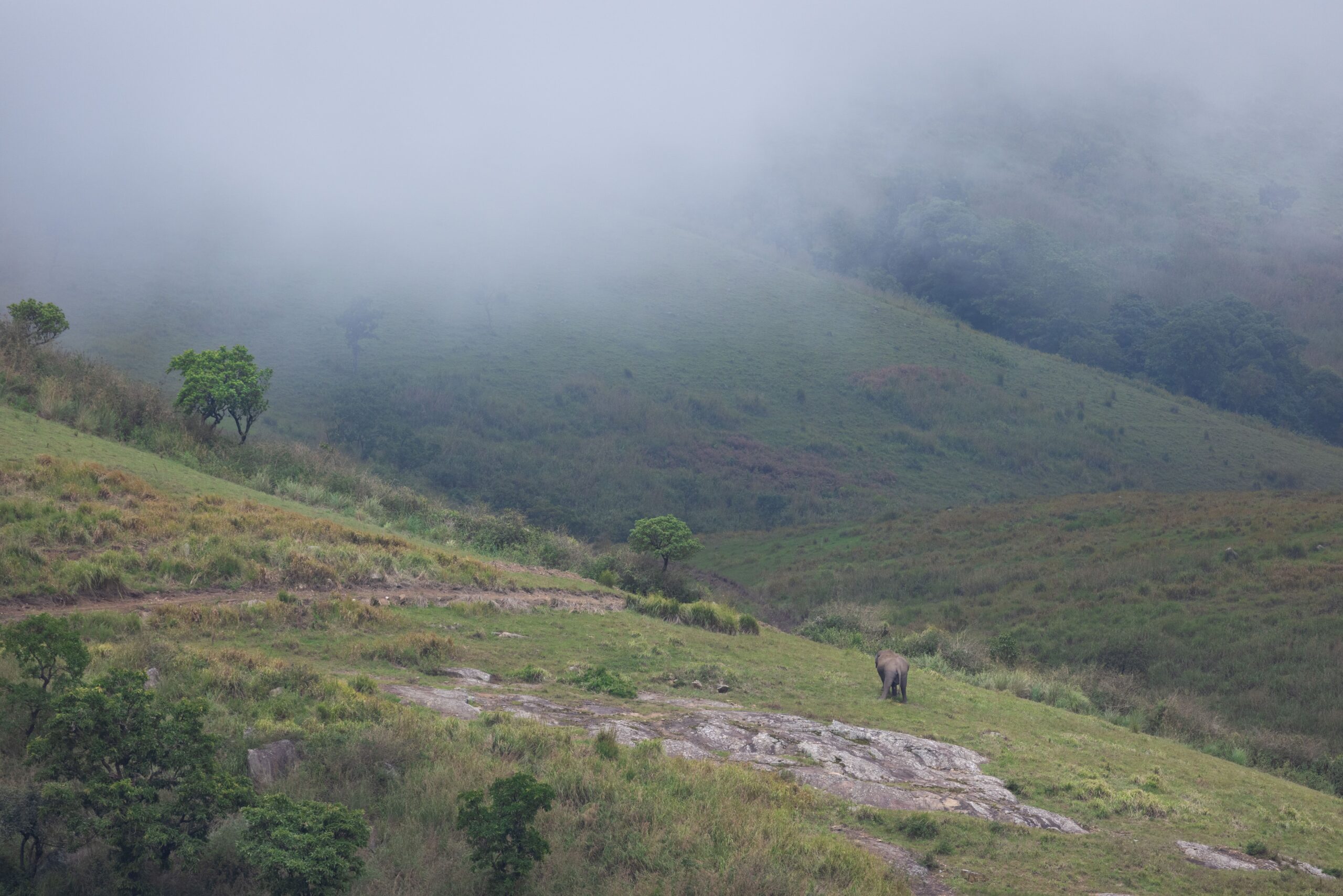
People often ask me about the best time to visit Bandipur Tiger Reserve. My answer surprises many. For me, the most beautiful seasons are the monsoon and winter, and June is my favourite month in Bandipur.
As the rains arrive, the forest transforms completely. The dry landscape turns emerald green. Fresh grass carpets the meadows. Streams begin flowing. The air feels alive. And then there are the Nilgiris. During the monsoon, the Nilgiri hills reveal their true beauty. Clouds drift across the mountains. Mist hangs over the valleys. The entire landscape looks like a paradise.
Many people assume wildlife sightings reduce during the monsoon. My personal experience has often been the opposite. Some of my most memorable sightings have happened during this season. The forest becomes unpredictable, and that unpredictability often creates magic. For photographers who appreciate landscapes, habitats and storytelling images, the monsoon is arguably one of the most rewarding times to visit Bandipur.
Most operators list October to May as Bandipur’s official peak season, largely for comfort and access. My preference for the monsoon and winter is a personal one, built on ten years of visits; read more in our guide to seasons for wildlife photography in India.
If monsoons bring drama, winter brings elegance. Winter mornings in Bandipur have a unique charm. Soft golden light filters through the trees. Mist rises slowly from the grasslands. The forest feels calm and peaceful. It is one of the most photogenic periods of the year. The combination of beautiful light, pleasant weather and active wildlife creates ideal conditions for photography. Every season in Bandipur tells a different story. That is why I never get tired of returning.
Bandipur is one of the rare forests where photographers can create more than just wildlife portraits. The open habitats allow photographers to include landscapes and environmental elements in their compositions. This is one of the biggest reasons I enjoy photographing here: the Nilgiris, the golden grasslands, the flowering meadows, the misty mornings, the dramatic skies. All these elements help create images that tell complete stories. The forest encourages photographers to think beyond close-ups. It encourages creativity, and creativity is what separates photographs from mere documentation.
If you are planning your own trip, our safari packing guide covers what to wear and carry by season, and my field review of the Canon RF 100-300mm F2.8 looks at one lens suited to exactly this kind of habitat-led photography.
Today, through Katrivia Expeditions, I have the privilege of introducing hundreds of photographers to this incredible landscape. There is something deeply satisfying about watching participants experience their first tiger, first leopard or first elephant encounter. I see a reflection of myself in many of them: the same excitement, the same curiosity, the same wonder. Bandipur gave me these experiences. Now I get to share them with others.
Our guided wildlife photography tours are built around education, observation and ethical wildlife tourism, because photography is not just about pressing a shutter. It is about understanding the story unfolding in front of you. And there is no better place to learn those stories than Bandipur.
Nearly a decade has passed since I photographed Prince on my first safari. Nearly a decade has passed since I saw the Reception Female perched on that misty tree. Many forests have come and gone. Many destinations have created unforgettable memories. But Bandipur remains special. It remains personal. It remains home.
Every photographer has a place that shapes them. A place where everything begins. A place they continue returning to, regardless of how many years pass. For me, that place will always be Bandipur Tiger Reserve. Because this forest did not just make me a wildlife photographer. It made me who I am.
From Bandipur to Kabini, Nagarahole, Bhadra and K Gudi, Katrivia Expeditions runs guided wildlife photography tours across South India, built around education, observation and ethical wildlife tourism.
Read more field stories on the Katrivia blog and follow along on Instagram.
Katrivia Expeditions: Experience the wild. Learn from it. Tell its story.
Arvind Karthik is a wildlife photographer with more than a decade of experience and the founder of Katrivia Expeditions. His journey as a photographer began in Bandipur Tiger Reserve, and since 2019 he has led wildlife photography tours across South India. Follow him on Instagram.